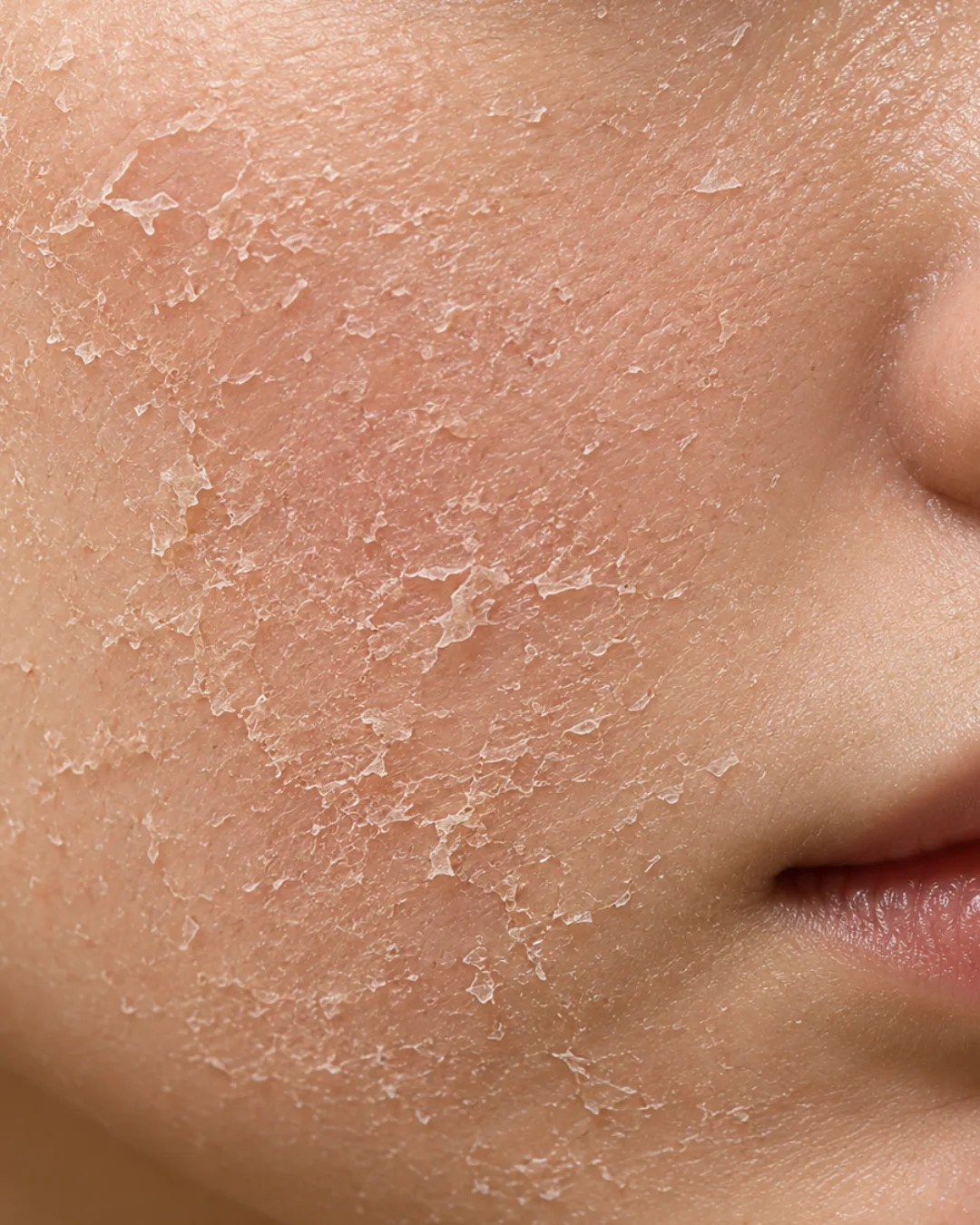
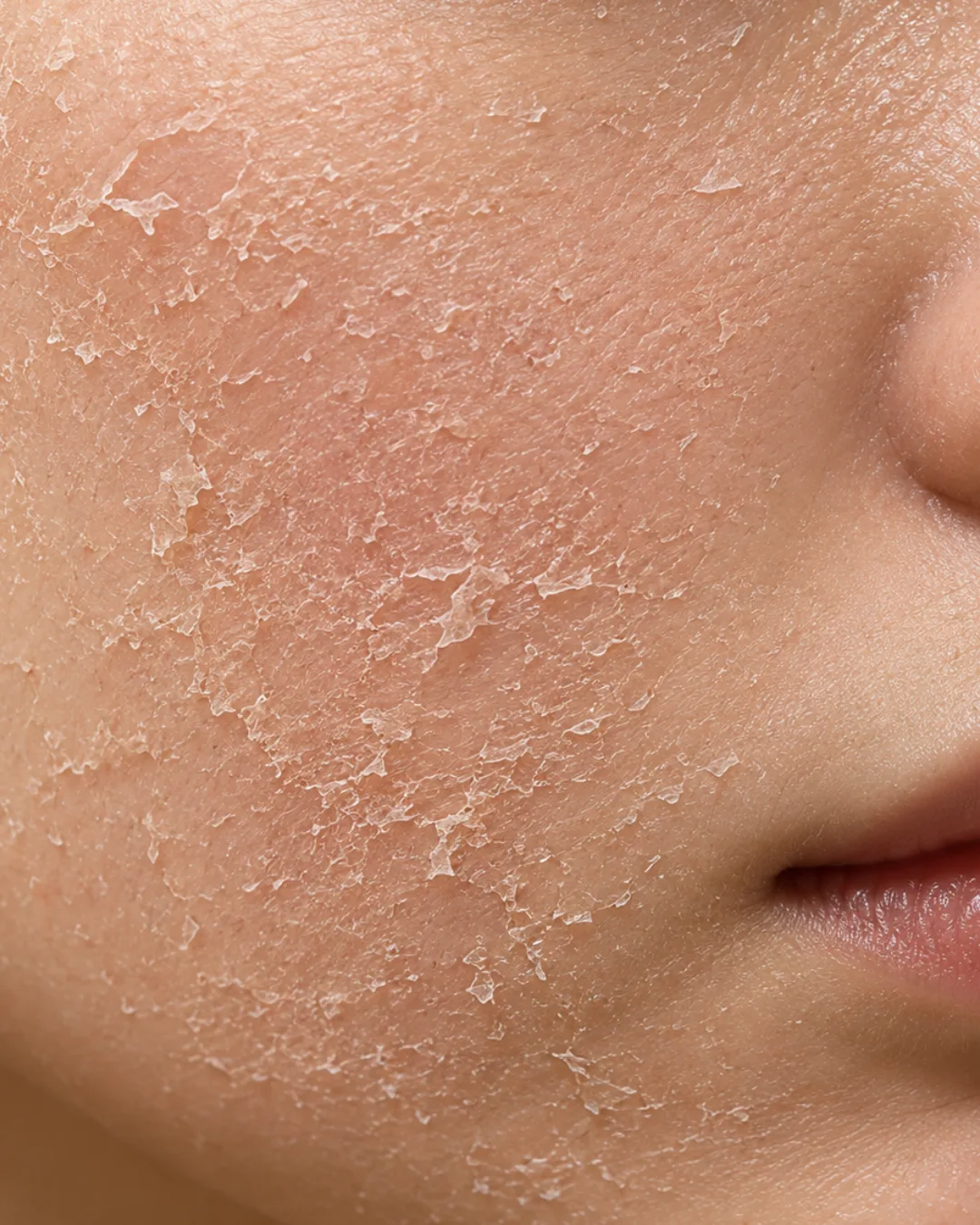
Dehydrated skin can appear dull, tight or tired. Our treatments focus on improving hydration and supporting healthier-looking, more comfortable skin.
Common Concerns
Dry or tight skin · DehydrationDull complexion · Lack of radiance
What Is Dry & Dehydrated Skin?
Dry skin can feel rough, tight or flaky. Dehydration describes reduced water content in the outer skin layer and can coexist with oiliness. These descriptions are not a diagnosis of the underlying cause.
What Causes It?
Cold or dry air, frequent washing, harsh cleansers and ageing can contribute. Eczema and other conditions can also cause dryness or itching.
Gentle cleansing, moisturising and avoiding irritants are basic steps. A facial may complement routine care for suitable skin, but persistent itching, cracking or an inflamed rash needs medical assessment. You can explore HydraFacial and FILLMED Skin Perfusion before discussing suitability at a personalised consultation.
Treatment suitability and availability are confirmed during consultation. Individual results vary.
Not sure which treatment is right for you?
Your skin concern is only the first step. The most suitable treatment depends on your skin type, skin condition, medical history, lifestyle and individual goals.
01
Skin Assessment
We assess your skin concerns and current skin condition.
02
Personalised Consultation
We discuss your goals and treatment expectations.
03
Treatment Recommendation
Our team recommends suitable treatment options based on your individual needs.
04
Personalised Treatment Plan
Where appropriate, we create a tailored treatment plan designed around your skin goals.
What should I discuss about dryness, tightness and dehydration?
Describe when you noticed the concern, how it has changed, your current skin care and any previous treatments. This helps guide an individual assessment.
How do I choose an option for dryness, tightness and dehydration?
Use the options on this page as a starting point for discussion, not a personal treatment recommendation. Suitability is assessed during consultation.
What should I ask before starting a treatment plan?
Ask about the proposed approach, alternatives, possible risks, aftercare, costs and realistic expectations before deciding whether to proceed.