
Pigmentation Treatment Balwyn: Understanding Your Options
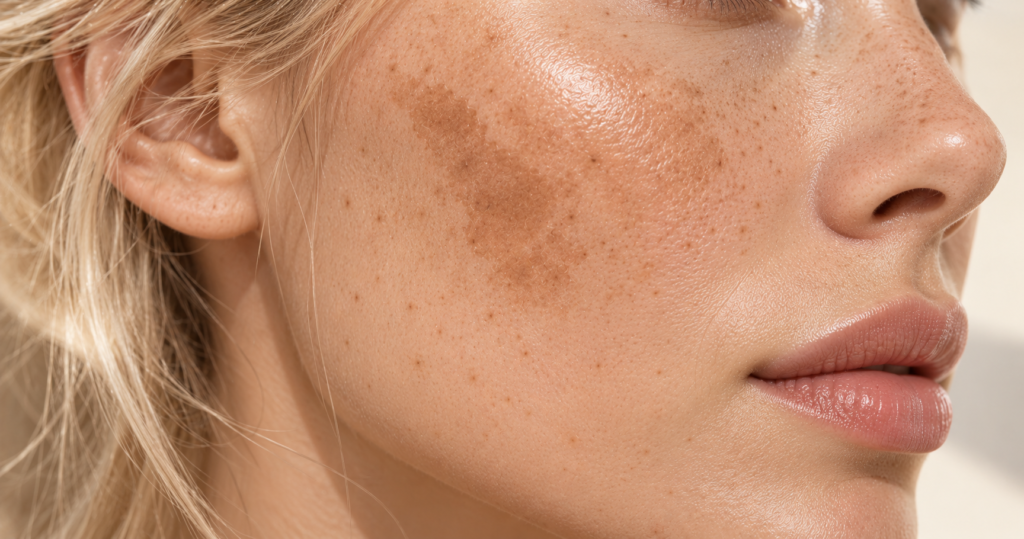
Dark spots, uneven skin tone and stubborn pigmentation are common skin concerns for many people living in Melbourne. Whether you’re noticing sun spots, post-acne marks or patches of discolouration, understanding the cause of your pigmentation is the first step towards choosing the right treatment.
If you’re exploring pigmentation treatment in Balwyn, you may have come across options such as laser toning, targeted pigmentation treatments and professional skincare.
But not all pigmentation is the same, and different types of discolouration may require very different approaches.
At Ccoco Beauty Balwyn, we believe that understanding your skin is just as important as choosing the treatment itself.
In this guide, we’ll explore the different types of pigmentation, the key differences between melasma and other pigmentation concerns, and the professional treatment options available in Balwyn, Melbourne.
What Causes Skin Pigmentation?
Our skin naturally produces a pigment called melanin, which determines much of our natural skin colour and helps protect against UV radiation.
When melanin production becomes excessive or uneven, darker areas may develop on the skin. This is commonly known as hyperpigmentation.
Several factors can contribute to pigmentation:
- Sun exposure: UV radiation stimulates melanin production and may contribute to sun spots and uneven skin tone.
- Hormonal changes: Pregnancy, hormonal fluctuations and certain medications may trigger or worsen melasma.
- Skin inflammation: Acne, irritation and other inflammatory conditions may leave behind darker marks.
- Ageing: Cumulative sun exposure over time can make pigmentation more noticeable.
- Genetics: Some people are naturally more prone to freckles, melasma and other pigmentation concerns.
Why Does Pigmentation Develop Even When You Use Skincare?
Many people invest in brightening serums and skincare products but still notice persistent dark spots.
This is because pigmentation isn’t always a surface-level concern.
Melanin can accumulate at different levels within the skin, and the underlying cause may continue to stimulate pigment production.
For example, a sun spot and a patch of melasma may appear similar, but they can respond very differently to the same treatment.
Understanding the type of pigmentation is therefore essential before deciding on a treatment plan.
The Most Common Types of Facial Pigmentation
1. Sun Spots and Sun-Induced Pigmentation
Sun spots, also called solar lentigines, are commonly associated with long-term UV exposure.
They typically appear as flat, brown patches on areas such as the face, hands and chest.
Living in Melbourne means experiencing changing weather conditions, but UV exposure can still affect the skin even when temperatures feel mild.
Sun-induced pigmentation may be suitable for certain laser or light-based treatments, depending on the characteristics of the lesion and individual skin type.
2. Melasma
Melasma commonly appears as larger, symmetrical patches of brown or grey-brown pigmentation.
It frequently affects the cheeks, forehead and upper lip.
Unlike ordinary sun spots, melasma is influenced by a combination of factors, including hormones, genetics, UV radiation and visible light.
Melasma can also be persistent and prone to recurrence.
Because excessive heat and inflammation may worsen the condition, treatment selection requires particular care.
3. Post-Inflammatory Hyperpigmentation (PIH)
Have you ever noticed a dark mark remaining after a breakout has healed?
This may be post-inflammatory hyperpigmentation.
PIH develops when the skin produces excess melanin following inflammation or injury.
Common triggers include acne, eczema, skin irritation and certain cosmetic procedures.
Depending on skin type and the depth of pigmentation, these marks may gradually fade or require additional management.
4. Freckles
Freckles are small pigmented spots that are often influenced by genetics and sun exposure.
They may become darker during periods of increased UV exposure.
Although freckles are generally harmless, new or changing pigmented lesions should be assessed by an appropriately qualified healthcare professional before cosmetic treatment.
Melasma vs Pigmentation: What’s the Difference?
If you’ve been researching pigmentation treatments, you may have come across the question: melasma vs pigmentation — are they the same thing?
The answer is no.
Pigmentation is a broad term describing skin colour changes, while melasma is a specific type of hyperpigmentation.
| Feature | Melasma | Other Common Pigmentation |
| Appearance | Larger, often symmetrical patches | Individual spots or irregular dark marks |
| Common triggers | Hormones, UV, visible light and genetics | UV exposure, inflammation and ageing |
| Common areas | Cheeks, forehead and upper lip | Face, hands, chest and other areas |
| Treatment approach | Careful, often long-term management | Depends on the type and cause |
| Recurrence | Common | Varies depending on the condition |
Why Is It Important to Identify the Right Type?
Some forms of sun-induced pigmentation may respond to targeted laser treatments.
Melasma, however, may worsen when exposed to inappropriate treatment settings, excessive heat or inflammation.
Post-inflammatory hyperpigmentation also requires consideration of the underlying skin condition.
This is why choosing a treatment based solely on the appearance of dark spots may not be appropriate.
A professional skin assessment can help determine the next steps and whether medical evaluation is needed.
What Pigmentation Treatments Are Available in Balwyn?
If you’re considering pigmentation treatment in Balwyn, Melbourne, there are several approaches that may be discussed during a consultation.
The most appropriate treatment depends on your pigmentation type, skin tone, sensitivity, medical history and individual goals.
1. Laser Toning for Uneven Skin Tone
Laser toning uses selected laser wavelengths and treatment settings to address certain pigment-related skin concerns.
Depending on the technology and individual skin characteristics, it may help improve the appearance of some forms of pigmentation and uneven skin tone.
Laser toning may be considered for concerns such as:
- Selected forms of sun-induced pigmentation
- Certain post-inflammatory dark marks
- Uneven-looking skin tone
- Pigment-related skin discolouration
However, laser toning is not suitable for everyone.
Particular care is required when treating melasma, as inappropriate laser treatment may worsen pigmentation or contribute to recurrence.
Multiple sessions may be recommended depending on the treatment plan and skin response.
2. Targeted Pigmentation Laser Treatments
Some laser systems are designed to target pigment within the skin using specific wavelengths and energy settings.
For appropriately assessed benign pigmented lesions, these treatments may help reduce the appearance of localised pigmentation.
At Ccoco Beauty Balwyn, our available technologies include Fotona StarWalker, a laser platform used for selected pigment-related applications.
Treatment suitability depends on the pigmentation condition, individual skin characteristics and clinical assessment.
Not all pigmented lesions should be treated cosmetically. Any suspicious or undiagnosed lesion should receive appropriate medical evaluation before laser treatment.
3. Professional Facials and Skin Treatments
Pigmentation concerns are sometimes accompanied by dryness, dullness, rough texture or skin sensitivity.
In these cases, professional skin treatments may be considered as part of an overall skincare plan.
Depending on the treatment, professional facials can help support skin hydration, improve the appearance of skin texture and maintain the skin barrier.
These treatments do not replace appropriate pigmentation management but may complement a personalised skincare routine.
4. Skincare and Daily Sun Protection
Professional treatments are only one part of managing pigmentation.
Daily skincare and consistent sun protection are especially important for preventing further UV-related pigmentation.
Depending on individual skin needs, a skincare routine may include:
- Vitamin C: Helps support antioxidant protection and may improve the appearance of uneven tone.
- Niacinamide: Supports the skin barrier and may help reduce visible discolouration.
- Azelaic acid: May be useful for certain pigmentation concerns, including melasma and post-inflammatory hyperpigmentation.
- Retinoids: Can support skin cell turnover and may be recommended for selected skin concerns.
- Broad-spectrum SPF 50+ sunscreen: Helps protect against UV exposure that can worsen pigmentation.
For melasma, tinted sunscreen containing iron oxides may provide additional protection against visible light.
For more information about UV protection in Australia, visit the Cancer Council Australia Sun Protection Guide.
Prescription skincare should be discussed with a qualified medical practitioner.
How Many Pigmentation Treatment Sessions Will I Need?
The number of treatment sessions varies from person to person.
Several factors can influence the treatment plan, including:
- Type and depth of pigmentation
- Individual skin tone and sensitivity
- Previous treatments
- Skin response
- Ongoing UV exposure
- Treatment technology and settings
Some superficial pigmentation concerns may improve with appropriately selected treatment, while others require a longer-term management approach.
Melasma, in particular, often requires ongoing care and maintenance rather than a one-time treatment.
A consultation can help establish realistic expectations based on your skin condition.
Can Pigmentation Be Permanently Removed?
Not all pigmentation can be permanently removed.
Some benign pigmented spots may respond well to targeted treatments, but pigmentation can return or new areas may develop over time.
Conditions such as melasma are particularly prone to recurrence.
Rather than focusing only on removing visible dark spots, a comprehensive approach should consider the underlying triggers and long-term skin health.
This may include professional treatments, appropriate skincare, UV protection and ongoing review.
Why Choose a Personalised Pigmentation Consultation in Balwyn?
Two people may have similar-looking pigmentation but require completely different approaches.
Skin type, pigmentation depth, hormonal factors, previous treatments and sensitivity can all influence treatment suitability.
A personalised consultation helps identify your main concerns and determine whether cosmetic treatment is appropriate.
At Ccoco Beauty Balwyn, we take an individualised approach to skin consultations, focusing on your skin history, current concerns and treatment goals.
Our team can discuss available skin treatments and explain when further medical assessment may be necessary.
Pigmentation Treatment Near Balwyn North, Melbourne
For those looking for pigmentation treatment in Balwyn or Balwyn North, Ccoco Beauty Balwyn provides a convenient local option for professional skin consultations.
Located at 266 Doncaster Road, Balwyn North VIC 3104, our clinic offers a range of skin-focused services and professional technologies.
Whether you’re concerned about sun-induced pigmentation, post-acne marks or uneven skin tone, understanding your skin condition is the first step towards choosing an appropriate approach.
Our team can help you explore suitable options and discuss your individual skin concerns.
Frequently Asked Questions About Pigmentation Treatment
What is the best pigmentation treatment in Balwyn?
The best treatment depends on the type of pigmentation, your skin characteristics and medical history. Options may include professional skincare, laser treatments or medical management. An assessment is recommended before choosing a treatment.
What is the difference between melasma and pigmentation?
Pigmentation is a broad term referring to changes in skin colour. Melasma is a specific type of hyperpigmentation, commonly associated with hormonal influences, genetics, UV exposure and visible light.
Can laser toning help with pigmentation?
Laser toning may help improve the appearance of certain pigmentation concerns, but results depend on the individual and the condition being treated. Some forms of pigmentation, particularly melasma, require additional caution.
How many sessions are needed for pigmentation treatment?
The number of sessions depends on the pigmentation type, treatment method and individual skin response. A personalised consultation can help determine whether a course of treatment is appropriate.
Can pigmentation return after laser treatment?
Yes. Pigmentation may recur, particularly when contributing factors such as sun exposure or hormonal influences remain present. Consistent skincare and sun protection are important for ongoing management.
Where can I book a pigmentation consultation in Balwyn?
You can contact Ccoco Beauty Balwyn at 266 Doncaster Road, Balwyn North VIC 3104, to arrange an in-clinic consultation and discuss your skin concerns.
Start Your Skin Journey at Ccoco Beauty Balwyn
Pigmentation is not always as simple as it appears on the surface.
Understanding whether you’re dealing with sun spots, melasma, post-inflammatory hyperpigmentation or another skin concern can make an important difference when exploring treatment options.
At Ccoco Beauty Balwyn, we offer personalised skin consultations to help you better understand your skin and explore suitable treatment options.
Book your complimentary in-clinic skin consultation today.
Ccoco Beauty Balwyn
266 Doncaster Road, Balwyn North VIC 3104
Phone: 0451 819 343
Disclaimer: This article is for general educational purposes and does not constitute medical advice. Treatment suitability, risks and outcomes vary. Suspicious or changing pigmented lesions require medical assessment before cosmetic treatment.